



How Digital Ponzi Schemes Built Trust in Sri Lanka
A comparative case study of TM, Max App Media and AGM
All three schemes combined tiered deposits and recruitment incentives with visible community activity. Their strongest persuasion tool was not the app alone. It was the appearance of social acceptance surrounding it.
Purpose of this study
This study documents the shared lifecycle of three collapsed Sri Lankan digital Ponzi schemes. It is designed as a baseline for recording future schemes against the same stages: seeding, acceleration, peak visibility, liquidity pressure and collapse. The dates and duration of future cases may differ, but the evidence categories and operating signals can remain consistent.
The analysis uses archived platform captures, promotional photographs, HackAware investigations and prior research. Screenshots prove what a platform displayed at the time of capture; they do not prove that balances were withdrawable, returns were backed by productive revenue, or institutions shown in photographs endorsed the financial model.
Executive summary
TM, Max App Media and AGM presented different brands, but their operating models were materially similar. Each turned a deposit-and-recruitment mechanism into the appearance of a functioning digital business. Users saw structured levels, predictable earnings, referral rewards and internal balances. Early withdrawals supplied experiential proof that the system worked, often outweighing abstract warnings about Ponzi schemes.
The platform was only one layer. Branded meetings, dinners, gifts, charity, school activities, religious participation and photographs with respected or uniformed people created an authority halo. These activities did not demonstrate a sustainable source of revenue, but they made participation feel normal, visible and socially approved.
Main findings
- The story changed, but the control system remained consistent: deposit, complete simple tasks, earn predictable returns, recruit others and upgrade.
- Small successful withdrawals acted as powerful persuasion because participants treated payment as proof of legitimacy.
- Internal balances created the appearance of wealth without proving that equivalent cash or productive assets existed outside the platform.
- Community outreach transferred trust from schools, religious settings, public venues and respected people to the scheme.
- Peak visibility was not evidence of safety. It increased future liabilities and often preceded withdrawal pressure.
- Future investigations should track operational signatures and cash-flow logic, not only domains or brand names.
Case status
| Case | Observed model | Status | Loss estimate |
|---|---|---|---|
| TM Triumph Media House | Tiered deposits, tasks, referrals and internal earnings | Collapsed | Not stated |
| Max App Media | M levels, task income and multilevel referral rewards | Collapsed | Not stated |
| AGM Allied Global Marketing | Job levels, task income, referrals and promotional rewards | Collapsed | Not stated |
A reusable lifecycle for future scams
| Phase | What investigators should record | Typical operating signal |
|---|---|---|
| 1. Seeding | First observed date, early groups, initial payment evidence and first bank accounts | Small communities, manageable withdrawals and credible first participants |
| 2. Acceleration | Recruitment growth, new levels, events, testimonials and successful withdrawals | Deposits and referrals expand quickly, often within one to three months |
| 3. Peak visibility | Largest events, maximum channel membership, public outreach and upgrade campaigns | Strong branding, social acceptance and pressure to reinvest; in these cases, around six months was a recurring observation, not a universal rule |
| 4. Liquidity pressure | Withdrawal delays, changed rules, new bonuses, payment excuses and requests to keep funds inside | Cash obligations begin to outgrow fresh deposits |
| 5. Collapse | Final notices, stopped withdrawals, inaccessible systems, domain changes and participant testimony | Payments stop and unpaid liabilities become participant losses |
Why internal reinvestment mattered
A Ponzi scheme reaches a breaking point when required cash payments exceed new money entering the system. A displayed return can grow every day, but a dashboard balance is not cash reserved for withdrawal. Encouraging users to compound earnings, buy higher tiers or leave principal inside reduced immediate cash demand while increasing the scheme’s future obligation.
TM Triumph Media House
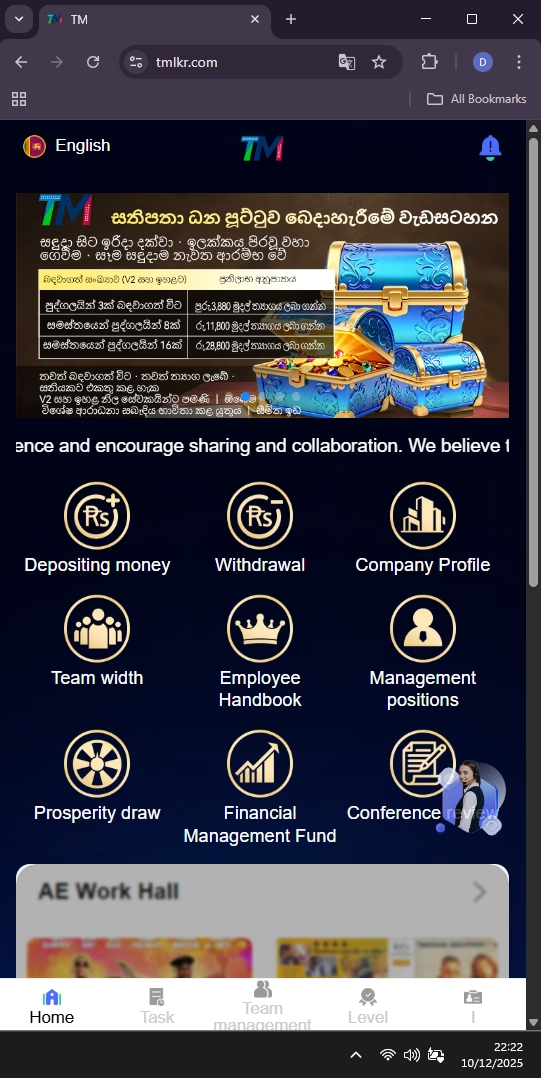
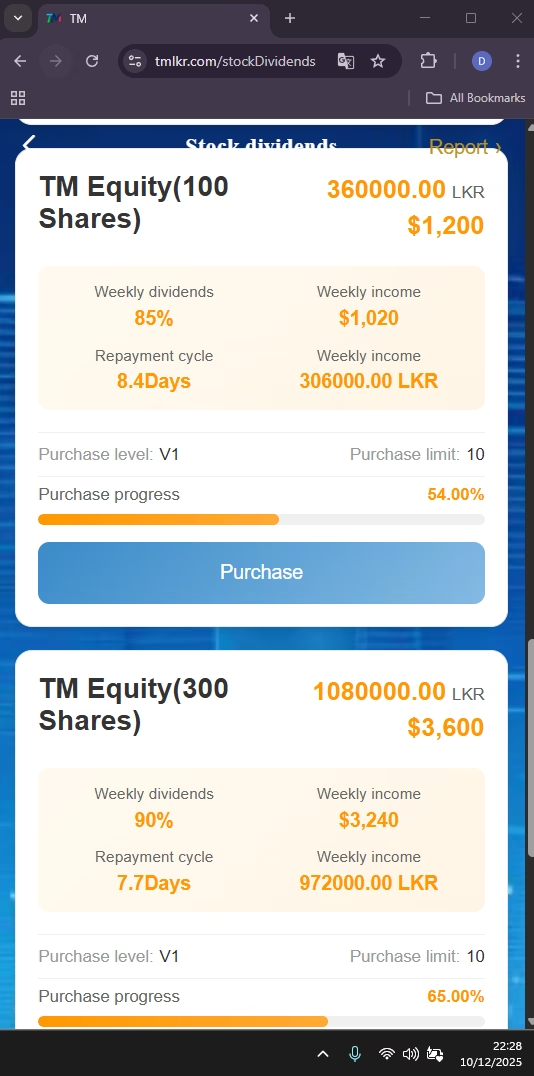
TM combined a polished task platform with investment-style packages and a highly visible community network. The archived interface shows member functions, task content, billing records, team management and packages described using equity or share language. That framing could make a deposit arrangement feel like ownership even though the interface did not demonstrate external revenue or audited assets.
TM: community legitimacy
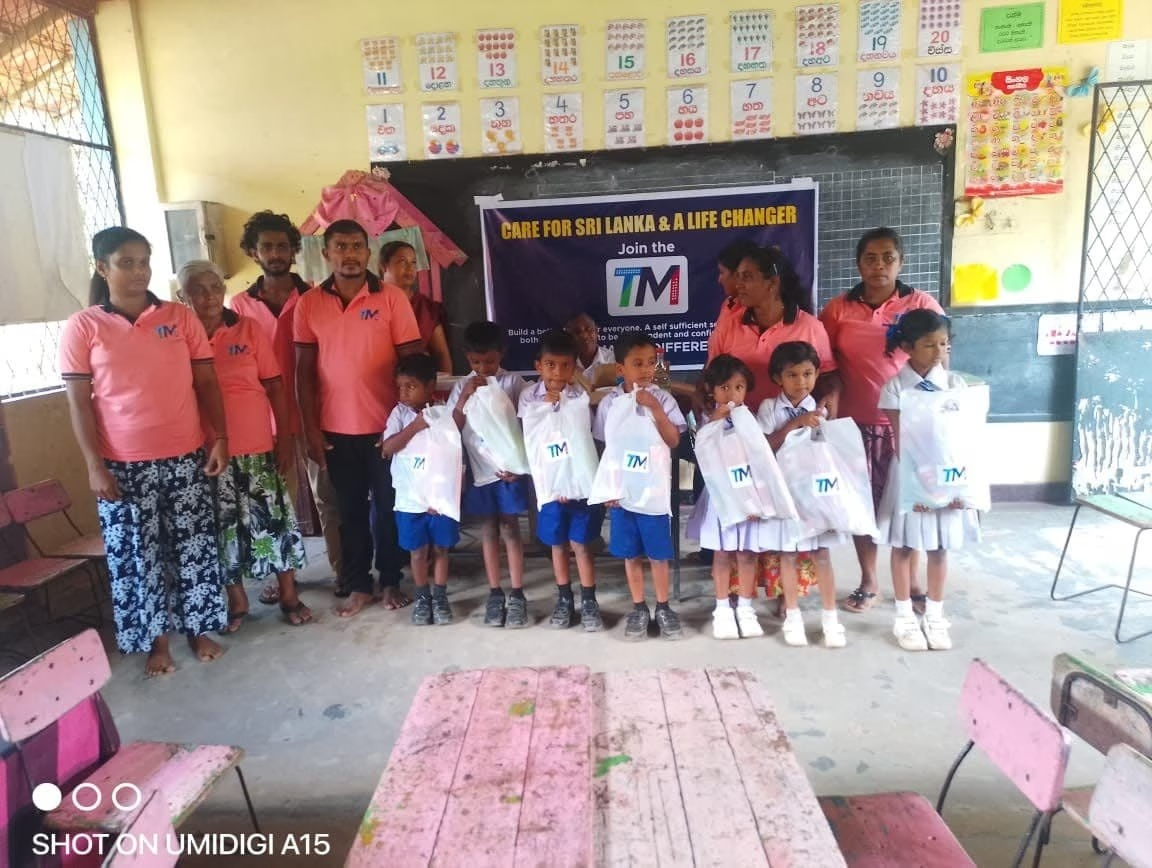
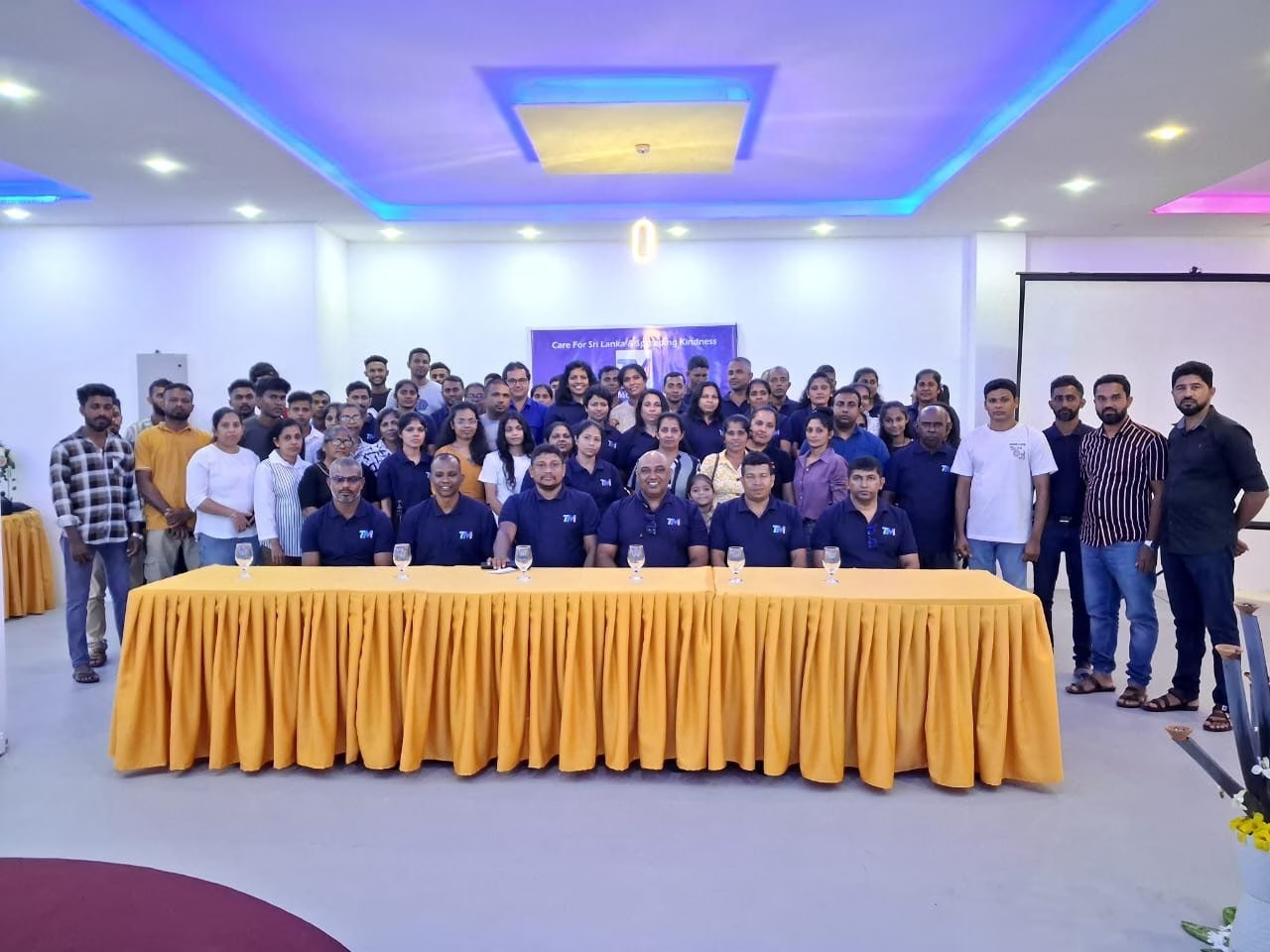
TM’s promotional record extended beyond the app. Photographs show school donations, branded groups, formal gatherings and interactions with people wearing institutional uniforms. These images made the brand appear embedded in ordinary civic life, but presence in a photograph is not evidence that an institution reviewed or endorsed the scheme.

Max App Media
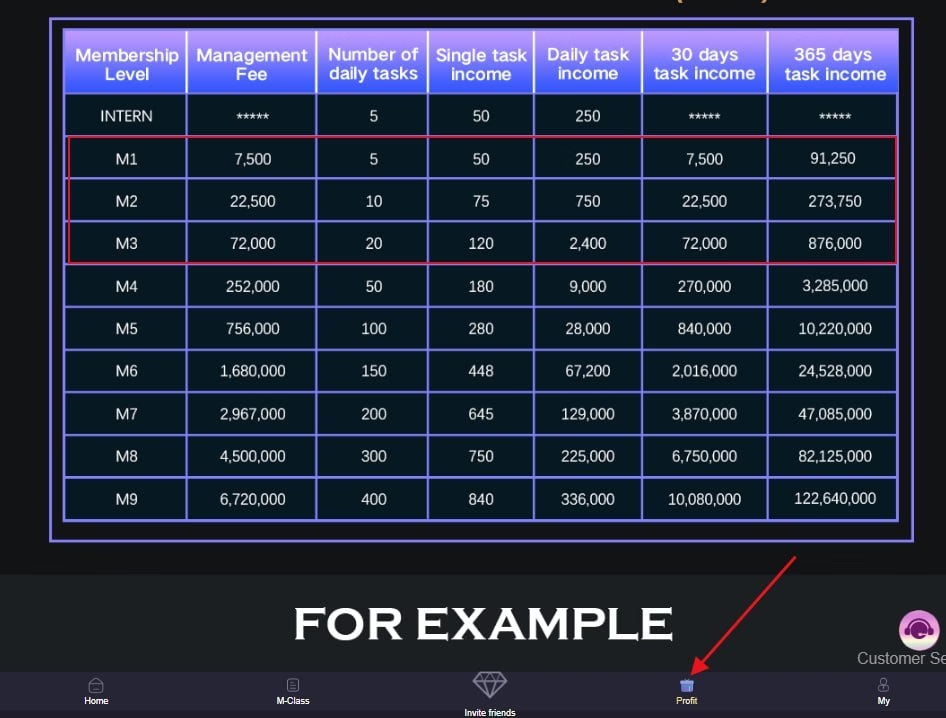
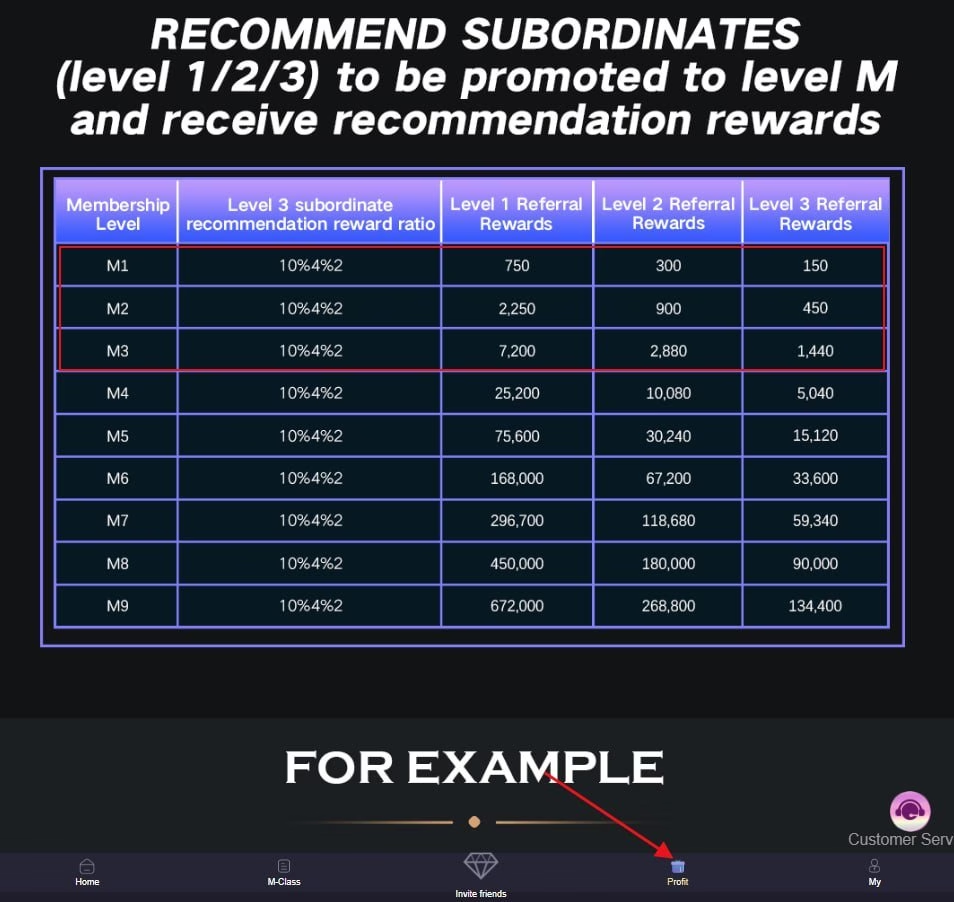
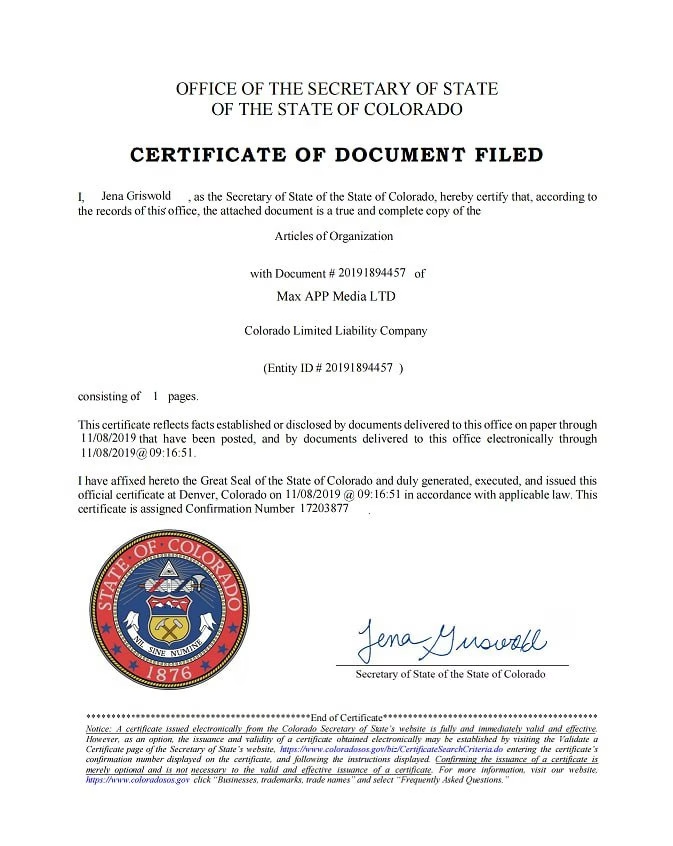
Max App Media used the same structure with different branding. Archived material presents M-level memberships, daily task income, monthly and longer-term earnings, and rewards tied to subordinate recruitment. Corporate registration material was circulated as legitimacy evidence, although registration does not verify the source of returns or protect participant funds.
AGM Allied Global Marketing
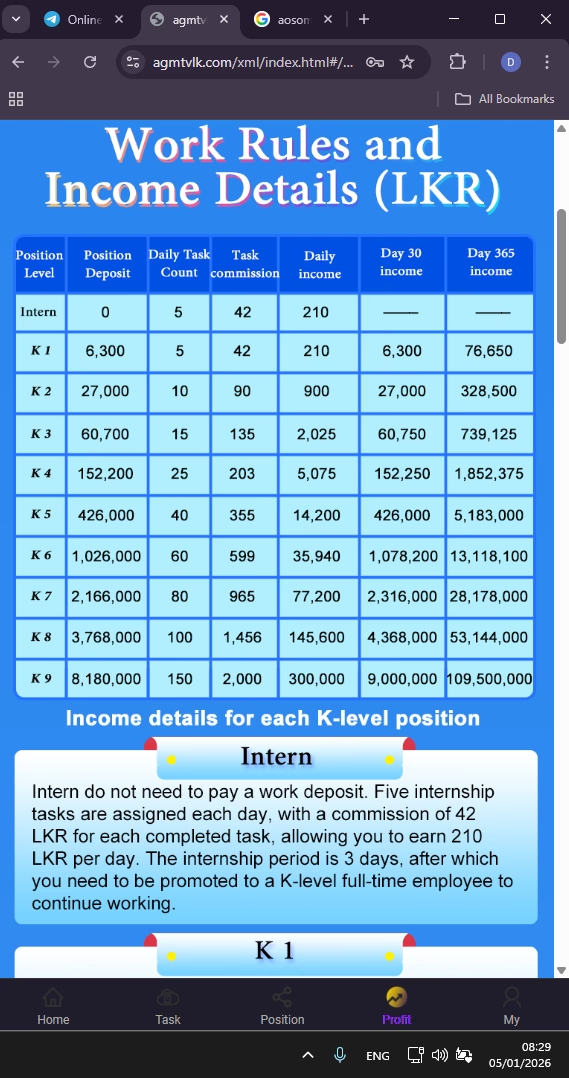
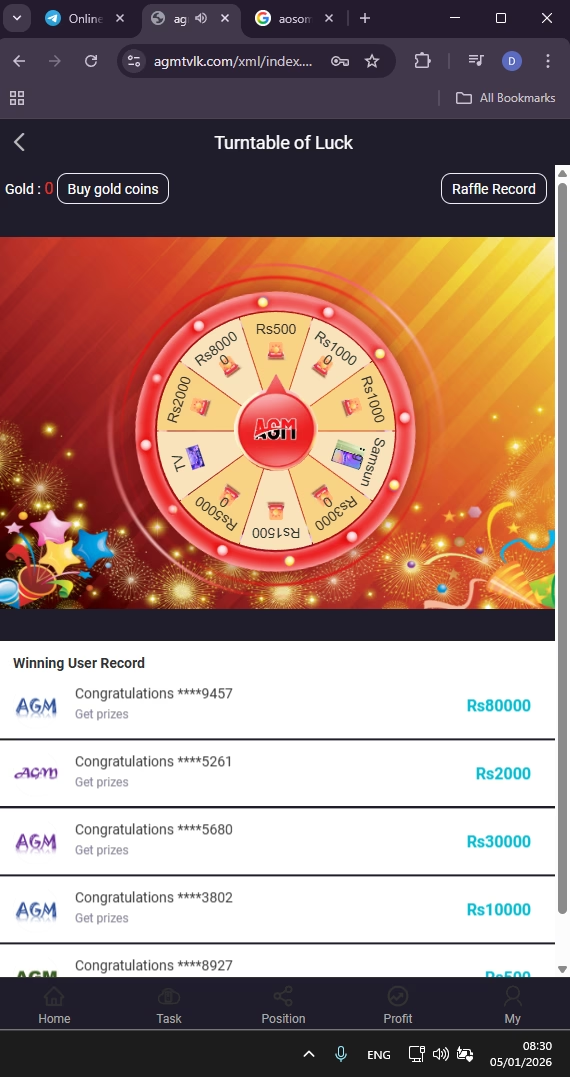
AGM repeated the architecture through job levels, media-viewing tasks, income tables, referrals and promotional rewards. Its story emphasised global marketing and entertainment work, while the archived platform placed deposit-linked levels and internal earnings at the centre of participation.
AGM: outreach at scale
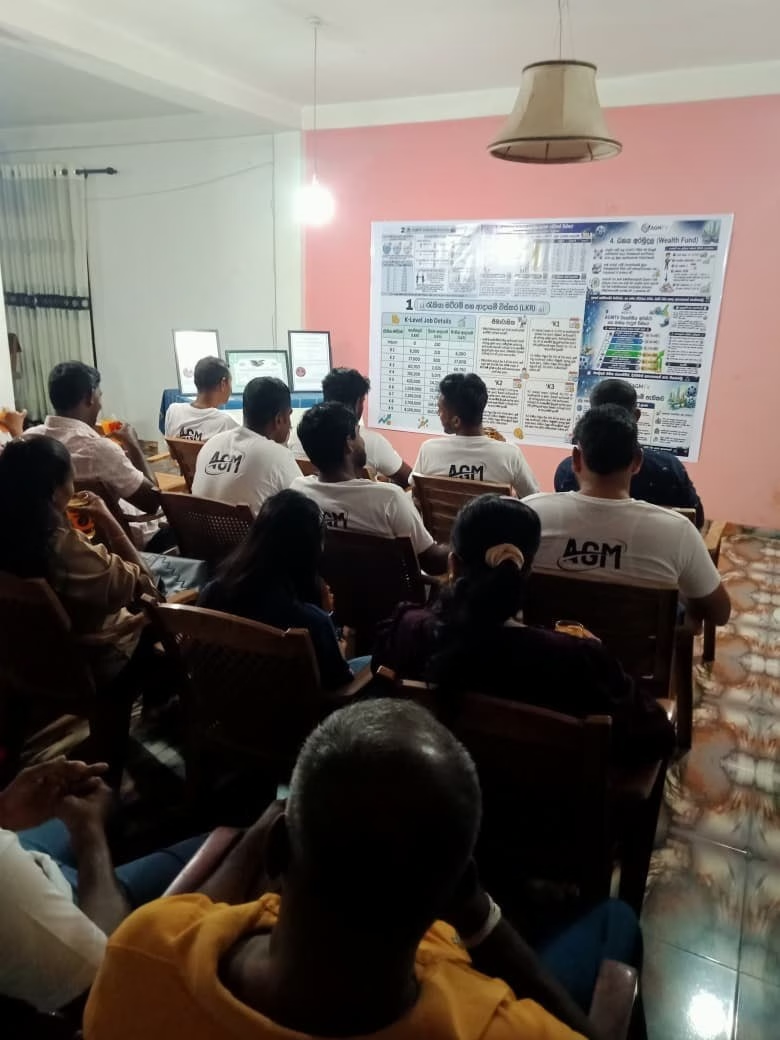
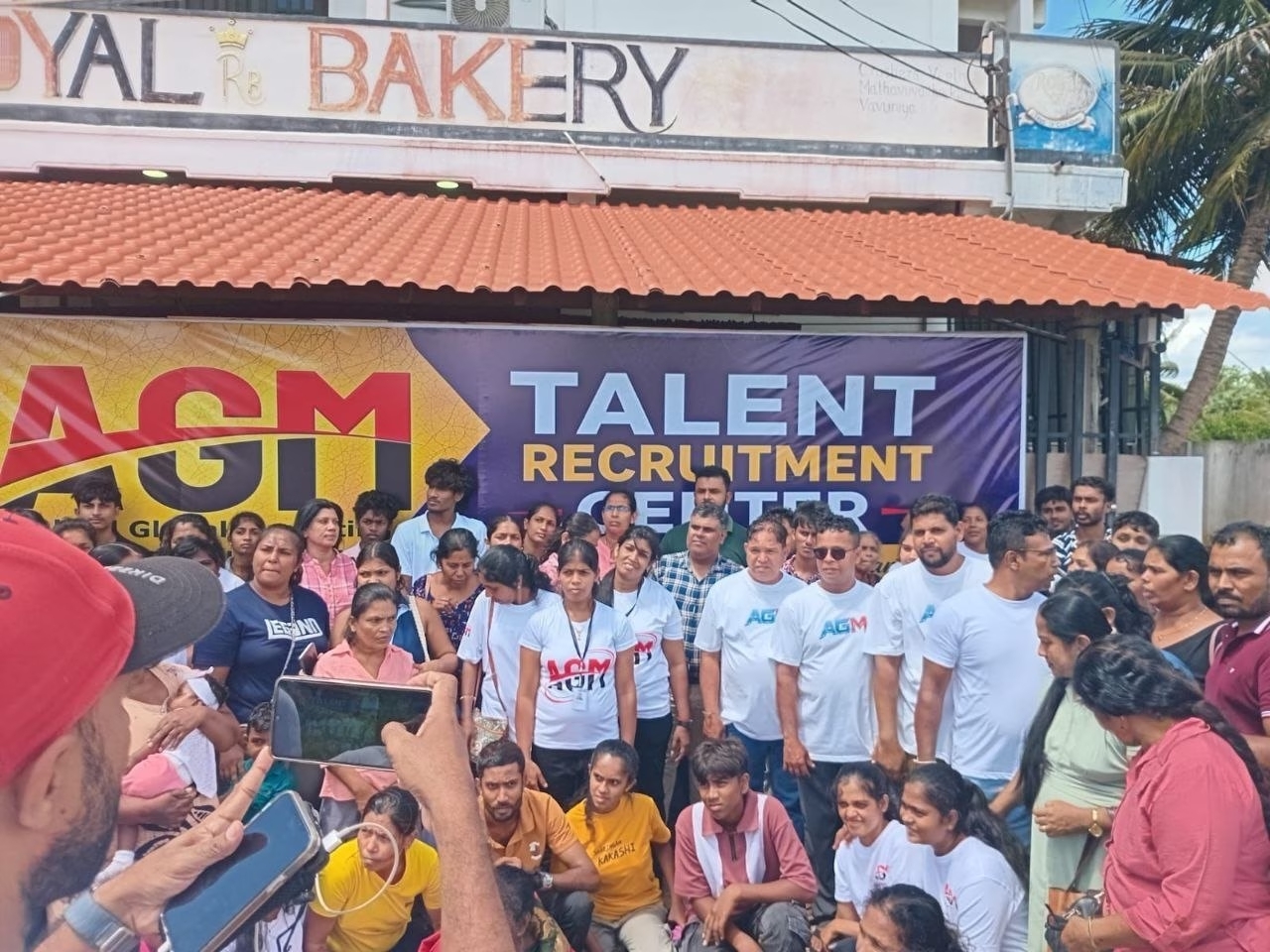
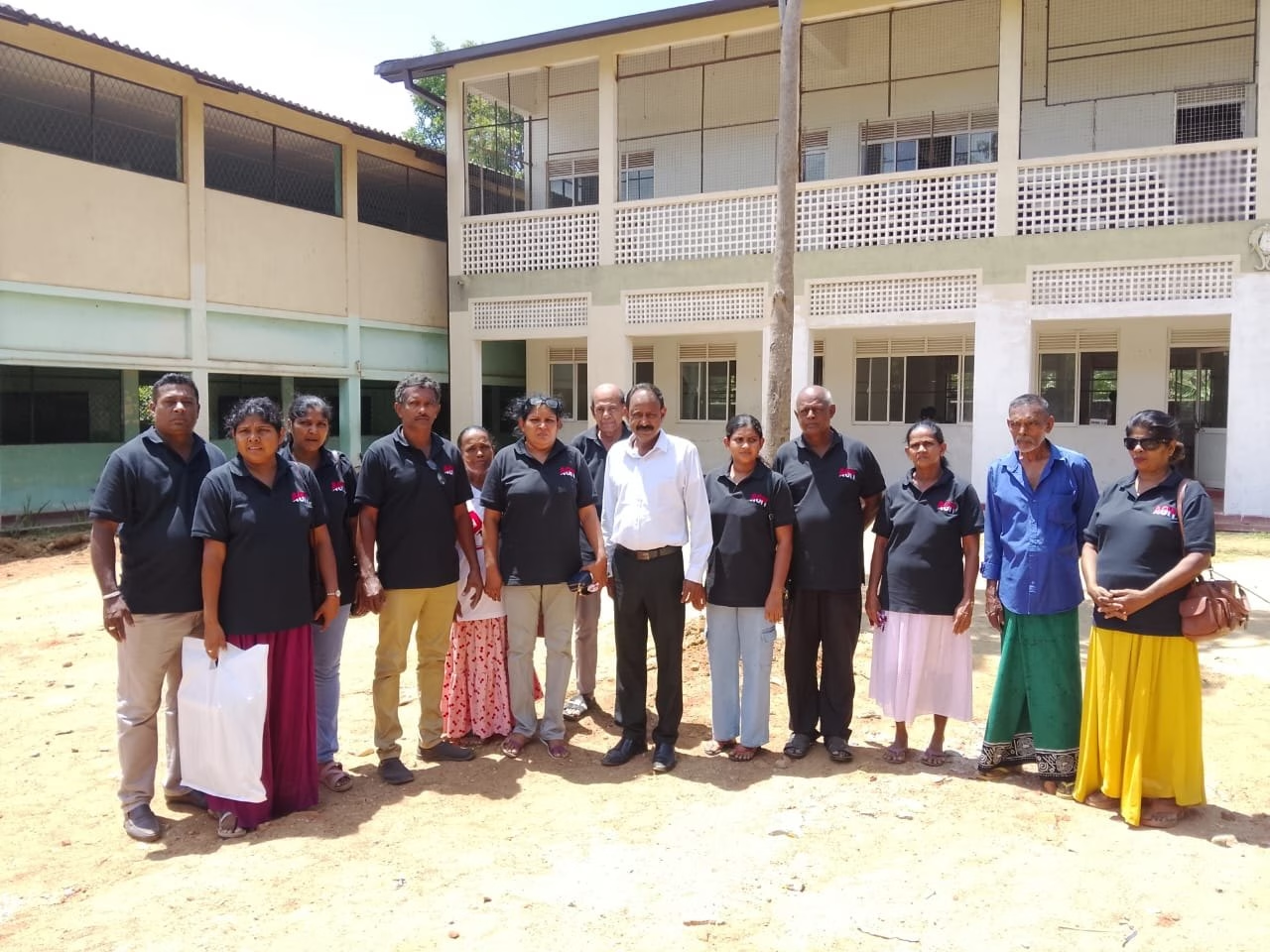
AGM’s archive records local meetings, branded offices, certificates, meals, gifts, school-related activity, talent recruitment and community projects. Repeated visibility can make a scheme seem established before a user examines its cash-flow model. It also creates fear of missing out when neighbours appear to participate.
Comparative analysis
| Mechanism | TM | Max App Media | AGM |
|---|---|---|---|
| Deposit-linked progression | Packages and equity-style tiers | M levels | Job or K levels |
| Predictable earnings | Displayed task and package returns | Daily, monthly and 360-day tables | Work rules and income tables |
| Recruitment | Team and commission structure | Subordinate promotions and rewards | Referral progression and team positions |
| Retention | Upgrades and internal balance incentives | Higher M levels and compounding | Higher levels, rewards and gamification |
| Legitimacy signals | Community programmes, sponsorships and formal events | Corporate documents, branding and testimonials | Offices, certificates, talent events, schools and social service |
| Outcome | Collapsed | Collapsed | Collapsed |
The social engineering stack
| Technique | How it appeared | Why it worked |
|---|---|---|
| Social proof | Crowds, events, testimonials and branded groups | Participation looked normal and widespread |
| Authority halo | Certificates, formal venues, uniforms and respected figures | Trust in institutions transferred to the brand |
| Reciprocity | Gifts, meals, donations and community assistance | Beneficiaries felt gratitude and goodwill |
| FOMO | Rapid growth, upgrades, rewards and visible earners | Delay appeared costly |
| Commitment | Deposits, teams and public participation | Leaving required admitting a prior decision may have been wrong |
| Experiential override | Regular early payments | Direct experience displaced abstract risk warnings |
Related pattern after collapse
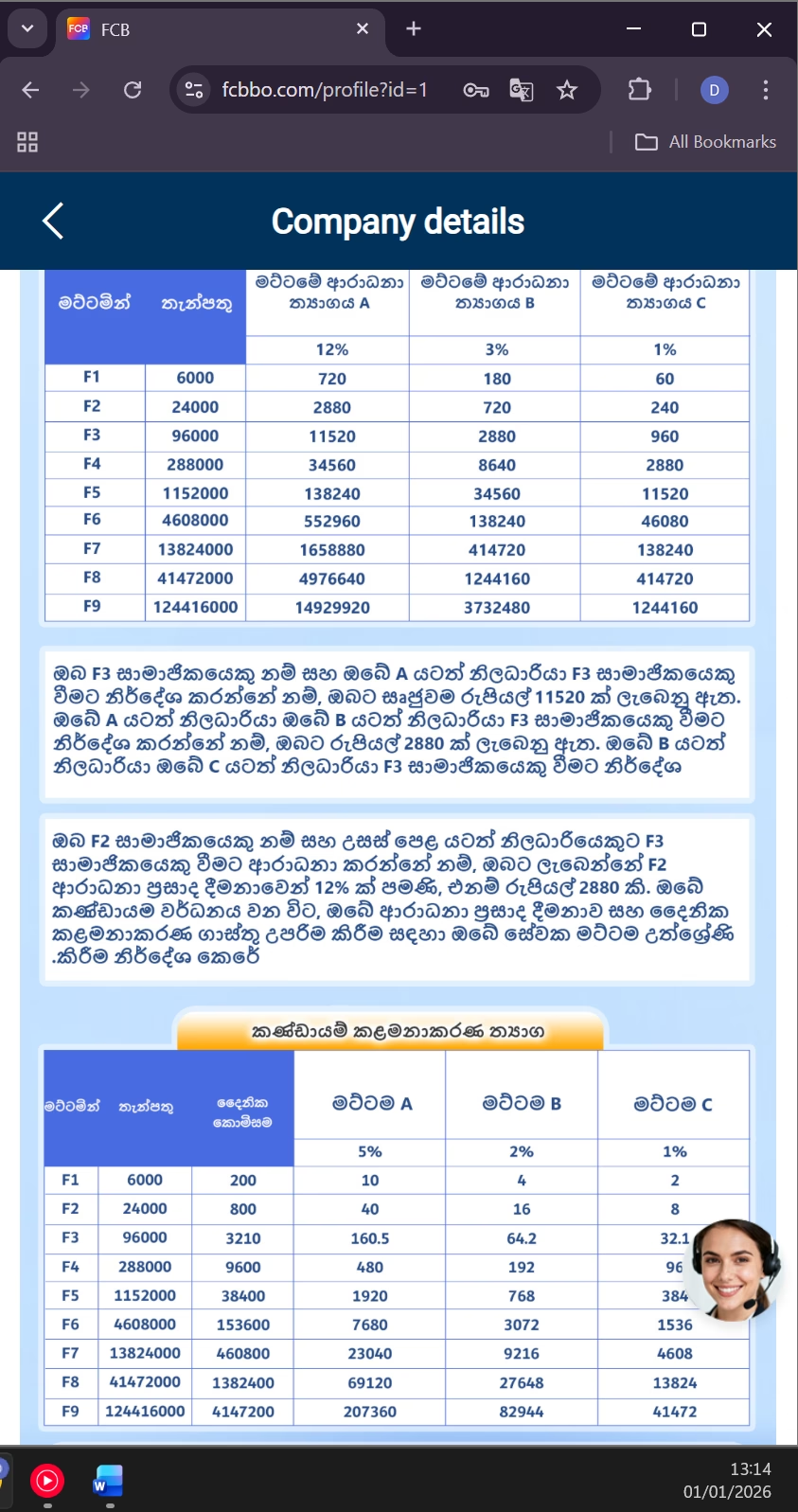
The archived FCB platform is included as a related comparator rather than a fourth primary case. Its interface again presents task content, VIP levels, recharge functions, income tables and promotional rewards. The repeated pattern shows why awareness tied to one brand name is insufficient: the same control structure can return under a new story and visual identity.
What future investigations should record
- First observed date and source of the first credible report.
- Dates of early successful withdrawals and the first delayed or failed withdrawal.
- Changes in deposit tiers, promised earnings, referral rules and withdrawal conditions.
- Bank accounts, payment instructions and evidence connecting each account to the platform.
- Channel membership, major events and examples of community or institutional legitimacy signals.
- The final platform message, shutdown date, domain changes and any successor brands.
- Evidence confidence: observed directly, corroborated, reported by a user, or unverified.
Conclusion
TM, Max App Media and AGM were persuasive because they offered more than a promise of money. They offered a visible community, a progression system, a language of work and early experiences that appeared to confirm legitimacy. The result was a closed trust loop: the platform displayed earnings, early participants reported payments, community events supplied social approval, and new deposits financed the next round of confidence.
The warning signs were visible while the schemes were growing: deposit-linked access, predictable returns without transparent productive revenue, multilevel recruitment, pressure to reinvest, and legitimacy borrowed from community institutions. These are the features future investigations and prevention efforts should track consistently.
Evidence note
This study does not estimate total losses or victim numbers because a reliable consolidated source was unavailable. It does not publish bank-account details or private communications. All three primary schemes are treated as collapsed based on the supplied case status and cessation of their observed operations.


