
Emergency Call Scams in Sri Lanka
Imagine This…
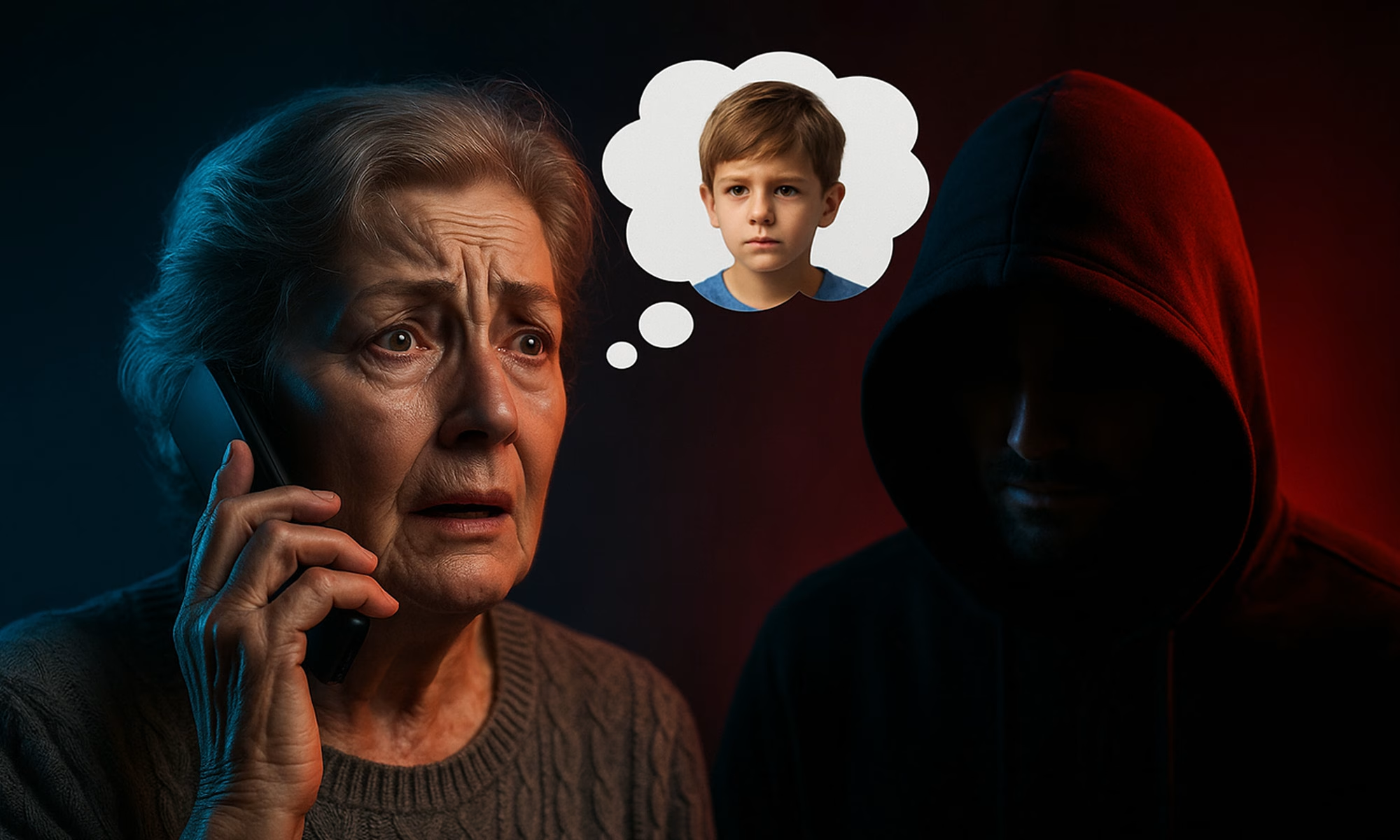
Your phone rings.
It’s your son’s number.
On the other end, you hear his voice — shaky, scared:
“Amma… I had an accident… they’re taking me to the hospital… talk to this man…”
A new voice comes on — calm but urgent — claiming to be a hospital staff member or doctor.
They say your son needs immediate treatment and you must send money right now for medicine.
You’re told where to deposit it, or to send it via mobile e-cash.
And just like that, your fight-or-flight response kicks in. You’re in “save my family” mode.
That’s exactly what they want.
How the Emergency Call Scam Works
This is a social engineering scam that weaponises fear, urgency, and love for your family.
The script is simple, but highly effective:
- The Setup – The scammer calls pretending to be your family member or someone calling on their behalf (doctor, police officer, school teacher).
- The Emergency – They claim there’s been an accident, arrest, or sudden illness.
- The Payment Hook – You’re told urgent funds are needed for medicine, hospital transfer, bail, or another immediate cost.
- The Pressure – They demand the money now, often saying “we can’t wait” or “he could die if we delay.”
- The Vanish – Once you transfer the money, the line goes dead. The number is switched off or blocked.
Tools They Might Use
While some scammers still rely on acting skill alone, others have started adding technology to make the lie more believable:
- Voice Cloning – With a few seconds of your loved one’s voice (taken from social media videos or public speeches), AI can generate convincing fake audio.
- Phone Number Spoofing – Caller ID can be manipulated so it looks like the call is coming from your relative’s number, your child’s school, or even a hospital.
When you hear the right voice and see the right number, your brain drops its guard. That’s why this scam is so dangerous.
Where They Get Your Details
These scammers often know more than they should:
- Names of your children, spouse, or relatives
- The school or workplace of your family
- Your home area or village
- Even the type of job you do
They can get this from:
- Social media oversharing (public posts with personal details)
- Leaked databases from schools, hospitals, or businesses
- Small community gossip or inside sources
- Previous scam attempts where you unknowingly gave information
Why It Works
- Emotional Hijack – Fear blocks rational thinking
- Authority Pressure – “Doctor” or “police” titles create compliance
- Time Limit – No time to verify before acting
- Family Connection – They target parents, siblings, and grandparents
How to Protect Yourself
If you ever receive such a call:
- Pause. No matter what they say, stop and breathe.
- Verify. Call your family member on their usual number.
- Cross-Check. Contact another trusted person (relative, teacher, colleague) to confirm the story.
- Don’t Send Money Immediately. Scammers prey on instant action.
- Report It. To your local police, your mobile provider, and Sri Lanka CERT.
Red Flags to Watch For
- They refuse to let you hang up and call back
- They rush you with a “life or death” deadline
- They insist on mobile reloads, e-cash, or unusual bank accounts
- Background noises that sound like they’re “added for effect” (sirens, crying)
- Small mistakes in details about your loved one
This Is Not Just a Sri Lankan Problem
Countries like Japan, Singapore, and Australia run national public warning campaigns against these scams.
In Japan, they call it the “It’s Not Really Your Grandson” scam — and it’s the same playbook.
The difference?
Here, awareness is low, and we don’t yet have strong caller ID authentication systems like the STIR/SHAKEN protocol used in the US.
Bottom Line
These scammers don’t care about your loved one’s life — only your money.
They will use fear, fake voices, and even your own family’s number to get it.
If you remember just one thing, remember this:
No genuine hospital, police officer, or school will demand instant payment over the phone without giving you a way to confirm.
Share this with your family, especially older relatives, so they know the signs before it’s too late.
Stay Sharp. Stay Safe. Stay HackAware.
– DEBUGGER