

The Abans JBL Scam in Sri Lanka
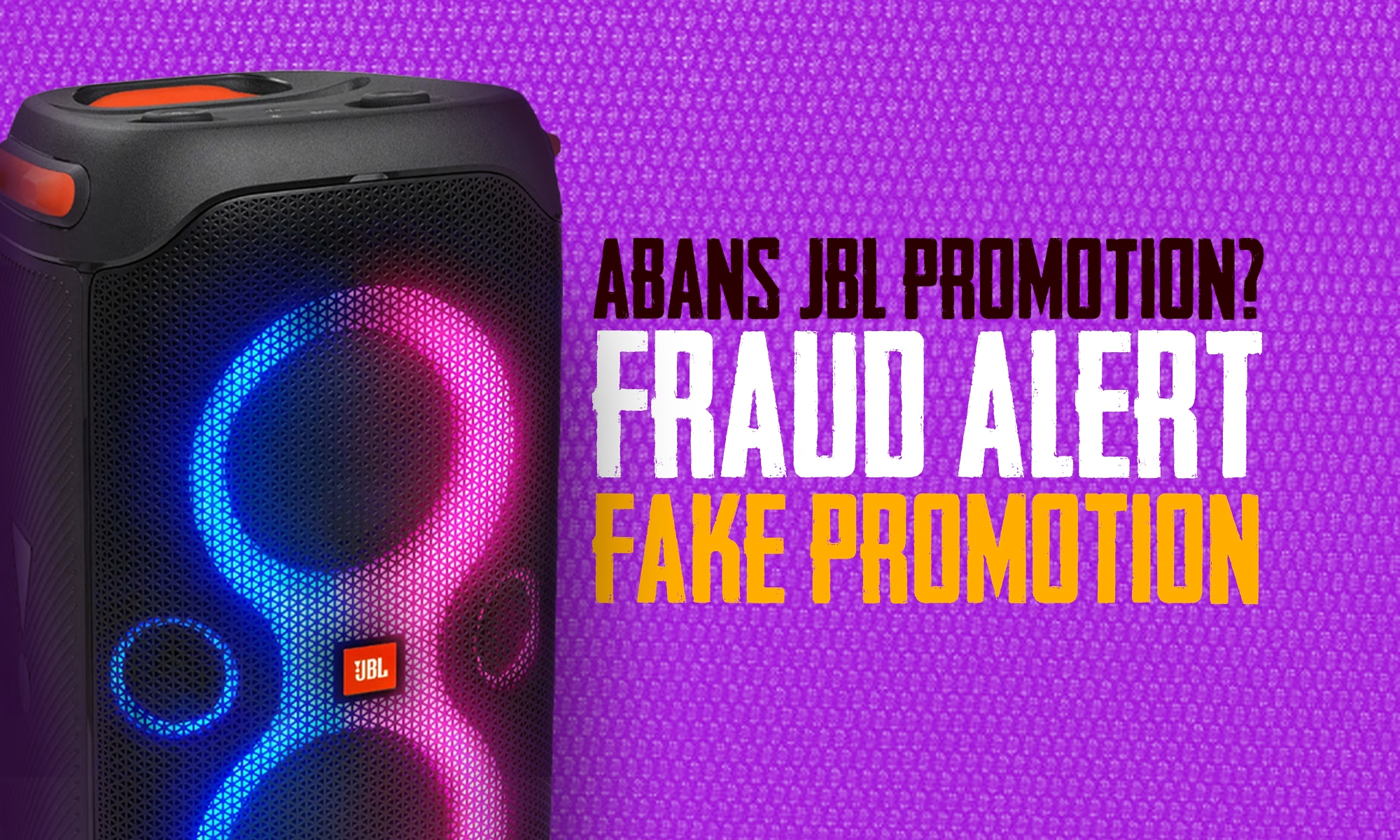
Scrolling through Facebook these days, you’ll come across some unbelievable “offers.” But none have grabbed attention quite like the Abans JBL PartyBox 320 for Rs. 2,400.
Sounds like a dream, right? A giant speaker worth over Rs. 200,000 — for less than the cost of a family meal at Pilawoos. But this isn’t a bargain. This is the Abans JBL scam in Sri Lanka.
And it’s one of the most dangerous scam patterns we’ve seen spreading across the country.
What Exactly is the Abans JBL Scam?
The scam goes like this:
- A Facebook post shows up from what looks like a normal person — a woman with family photos, a Sri Lankan name, maybe even a few mutual friends.
- She posts a dramatic message: “I worked at Abans for three years. They fired me for telling the truth. Here’s the secret clearance deal they don’t want you to know about.”
- The “deal” is a JBL PartyBox 320 for Rs. 2,400.
- To get it, you have to click a special link, complete a short survey, and then enter your payment details.
👉 It looks authentic because the post has likes, shares, and positive comments — but every part of it is fake.


The Fake Accounts & Fake Comments
At first glance, you’d think these were bots. But dig deeper and you realize most of these profiles are real people whose accounts have been compromised.
This happens through phishing.
Phishing in simple words:
Phishing is when scammers trick you into giving them your login details. A fake Facebook login page, a “security alert” email, or even a quiz app can steal your password. Once they have it, they hijack your account.
So when you see your neighbor, aunty, or old classmate suddenly promoting a JBL speaker, it’s not them. It’s a scammer typing from abroad, using their account as a mask.
And those “customer reviews” on the fake websites? Stolen profile photos slapped onto fake names with scripted comments. Nothing genuine about it.


The Payment Trap
Here’s the scam step by step:
- The Bait Post → “Fired employee leaks Abans secret deal.”
- The Link → Looks like an Abans-branded page but is actually a scam domain.
- The Survey → A few harmless questions (“Do you like shopping online?”) to make you feel like you’ve earned the deal.


- The Reward → “Congratulations! You unlocked the JBL PartyBox for Rs. 2,400.”
- The Checkout → Here’s where they grab your personal and card details.


Some victims lose just one payment. Others get signed up for hidden subscriptions with recurring charges. Worst case? Your card details are sold to other criminals and reused again and again.
Are These Scammers Sri Lankans?
Not necessarily.
While the scam looks Sri Lankan — Abans branding, prices in rupees, Sinhala/English comments — the same script has been found abroad.
- In Zambia, it was OK Furniture selling the “secret JBL deal.”
- In the Philippines, it was Beyond the Box offering iPhones for “next to nothing.”
- Same words. Same photos. Same fake reviews.
This is an international scam network that runs the same playbook everywhere, just swapping brand names and currencies.

So no, it’s not necessarily a gang in Pettah running this. More likely, it’s a group abroad — with just enough compromised Sri Lankan accounts to make it look local.
Who Do They Target?
This is the part that really stings.
Most of the people targeted are housewives, parents, and casual Facebook users. The groups where these posts spread are full of ordinary people looking for deals, not IT experts.
And let’s be honest — Sri Lanka as a whole is still very unaware of online scams.
- Schools don’t teach it.
- Companies don’t train staff.
- News channels barely mention cybercrime unless it’s a major bank hack.
So when an aunty sees a Rs. 200,000 speaker being offered for Rs. 2,400, she doesn’t think “phishing scam.” She thinks “finally, something good for my family.”
That’s not stupidity. That’s lack of awareness.
A Little Humor
Sometimes I think if these scammers put half their creativity into real jobs, Sri Lanka’s GDP would be higher.
But instead of building apps or businesses, they’re busy convincing us that JBL speakers cost less than a plate of kottu.
And if you ever find yourself believing it, remember this rule:
👉 If your dinner is more expensive than a brand-new speaker, it’s a scam.
How Do We Stop It?
- Verify before you buy. Always check official Abans channels before believing deals.
- Use secure payments. Virtual cards or wallets with fraud protection are safer.
- Educate your family. Especially parents and housewives, who are prime targets.
- Report phishing. If your account is hacked, reset your password immediately.
- Stay skeptical. Clearance sales don’t go viral through random Facebook comments.
Hats Off to Abans Sri Lanka
Credit where it’s due — Abans Sri Lanka responded quickly. They posted fraud alerts, warned customers, and gave hotlines for verification. That’s how a responsible brand should act.
But let’s face it — it’s not enough.
Why Media Must Step Up
Sri Lanka’s mainstream media needs to wake up. We have daily crime reports on robberies, but almost nothing on cybercrime and scams.
Imagine if Sirasa, Hiru, or Derana had a weekly 10-minute segment on scams in Sri Lanka. It would save people millions of rupees — and probably some broken hearts too.
Until then, the responsibility falls on communities like HackAware to spread the word.
Final Word
The Abans JBL scam in Sri Lanka isn’t about speakers. It’s about trust. Scammers hijack real accounts, impersonate trusted brands, and exploit a lack of awareness.
And while it feels local, it’s part of a global scam network recycling the same script across borders.
Sri Lanka doesn’t need more victims. We need more awareness.
So let’s share, talk, and educate — before another aunty loses her money to a “clearance sale” that never existed.
Stay Sharp, Stay Safe, Stay HackAware.
– DEBUGGER

